Group EMDR
Process an upsetting memory in a safe, supportive women only group.
Trauma healing
Join us in Brighton or Hove for a transformative Group Traumatic Episode Processing (G-TEP) session.
If you have a particular memory that carries a strong emotional charge then this session can help you process it gently and safely. You do not have to share the memory with the group.
EMDR is a type of psychotherapy that is a clinically proven treatment for Post Traumatic Stress Disorder (PTSD) and other conditions including depression, anxiety disorders and substance abuse.
The process involves focussing on a distressing memory while being guided through a series of bilateral eye movements which mimics REM sleep.
Numerous studies have indicated EMDR is a fast and effective way to help women recover from traumatic events. Typical memories may involve sexual violence, domestic abuse, medical or birth trauma, racial or cultural trauma, caring burdens or everyday sexism.
If you have an intrusive memory then we’re here to help you heal and overcome any feelings of emotional neglect, powerlessness and shame.

Session outline
This is a women only session held in a comfortable, private space in central Brighton. It will be an intimate group of eight women ready for a shift. We want this group to be accessible to all and payment is by voluntary donation.
Past experiences no longer have to define your future.
Come with a memory that causes you distress.
Process the memory under therapeutic guidance
Achieve long-term reduction in PTSD symptoms and anxiety
Facilitator
Gabriel has over 20 years of clinical experience with trauma, PTSD and a wide range of mental health difficulties. Some of the women she helps are dealing with the aftermath of sexual assault/rape, violent attacks, accidents or bullying and these are examples of the type of memory you may wish to bring to the session.
Gabriel is an accredited EMDR UK and Ireland consultant/supervisor and will lead the group with warmth and compassion. She aims to help you resolve your distress as effectively as possible by understanding how your experiences have affected you and applying her therapeutic expertise in EMDR.
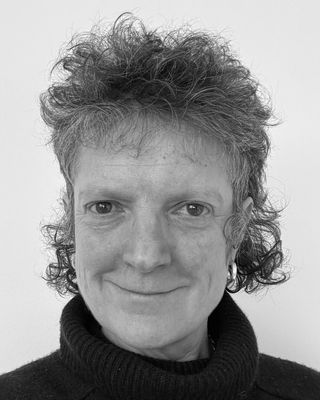
Gabriel Best
Psychologist, MSc, HCPC
More about G-TEP
What is G-TEP?
G-TEP is group EMDR, which is eye movement de-sensitisation reprocessing. G-TEP stands for Group traumatic episode processing.
We normally think of EMDR being done one to one like more traditional therapy, so G-TEP sounds a bit odd, but it does have an evidence base and has been used with refugees, families and groups of people who have experienced the same traumatic event at work. G-TEP has been used for first responders. G-TEP also got used on covid wards for traumatised staff, and also those involved with the aftermath of the Grenfell fire.
Choosing a memory
G-TEP involves choosing a memory to work on. One that causes significant distress. You’d want to choose a memory that’s hard to dismiss and frequently pops up if it is triggered by certain cues, which may be internal (thoughts) or external (places, smells, sounds and other sense based triggers). The memory may be in the form of a repeated image, or a repeated ‘sense’ of something from the event.
When this happens, you may feel anxious and then avoid the situations where the memory gets triggered.
For G-TEP you’d want to choose a memory that’s about a seven out of ten where ten is the most distressing. The reason I say seven and not ten is it’s a one-off session, and by the end of the session we’d all want our memories to be complete. What I mean by that is that we will be able to think about them as being firmly in the past, distant and without any emotional charge.
What G-TEP involves
G-TEP involves a bit of drawing, but you certainly don’t have to be an artist and the drawings are for you only. It also involves eye movements. You also don’t have to use eye movements, so if you’ve got eye issues, a history of epilepsy or migraines do please tell me and we will find another way to get the same effect.
The great think about G-TEP is that you don’t have to share the memory with the group. This is of course very important for those who have experienced sexual abuse, assault or rape. It can be retraumatising to share any aspect of what happened to you, and you won’t be asked. You’ll draw a picture of a bit of the memory, but it will be for you only. A squiggle is enough! As long as you know what it represents, that’s the only thing that matters.
During the session
he session will last about two hours. You may feel emotional and especially when you start the processing, but just go with it. If you need to cry that’s really ok. We do a calming and grounding exercise at the beginning to prepare you, and will finish with an exercise at the end so that you feel
After the session
At the end of the session, the memory will have shifted to feel like it’s firmly in the past. The way you see yourself in the memory may have shifted as well. For example, you may feel less self-blame and more accepting of what you could and couldn’t do.
Join the journey
Begin your transformative journey towards healing and self-discovery. Limited spots available, so secure your place today.
